- Work area 300 × 180 mm
- GRBL control over USB
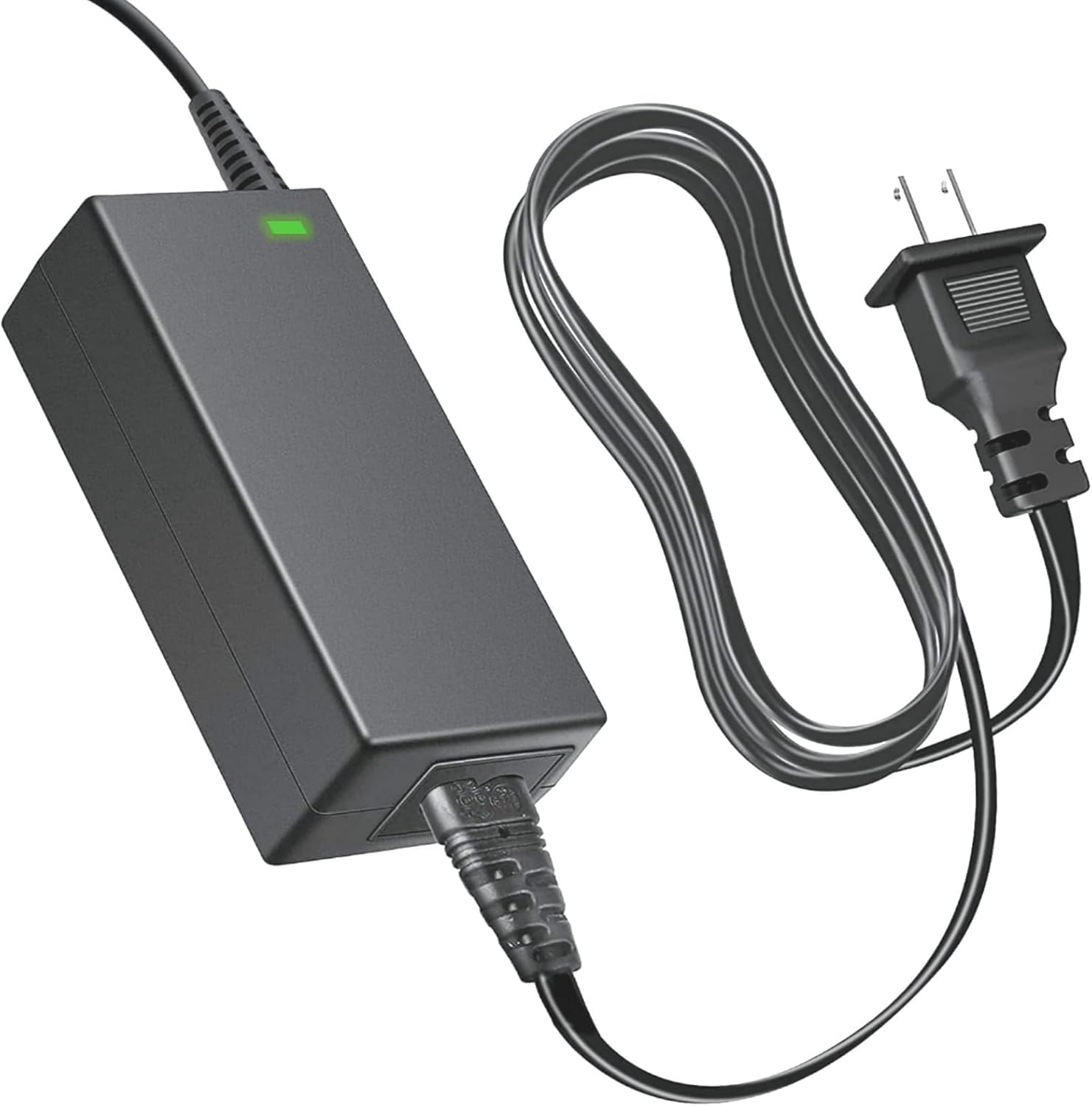
A 12V switching brick made to replace the supply of the FoxAlien FAC30 3018-SE V2, a compact 3018 that runs on 12 volts where most 3018-PRO frames use 24.
FoxAlien's FAC30 3018-SE V2 is a 3018 that does not run on 24V. Its replacement adapters are 12V, and that single number matters more than any other spec on the brick.
Most 3018-PRO, PROVer and VEVOR frames draw 24V from their bricks. The SE V2, the compact 3018 with a lighter aluminium-and-plastic build and a clear enclosure on many versions, was powered at 12V in FoxAlien's FAC30 build, and replacement bricks still carry that name. Newer SE V2 builds from other makers state a 24V 5.6A supply, so the label decides.
Mixing them up is expensive in both directions:
So check the label before anything else. The original SE V2 brick, or the socket label on the machine, states the voltage. If it says 12V, this adapter is the right family. If it says 24V, look at the 24V replacements instead.
This PowerHOOD brick takes 100 to 240V AC, 50/60 Hz, which means it works on mains almost anywhere with the right plug. It is a switching supply, which keeps it light at 8 ounces, and it is protected against overcharging, overheating, over-voltage and short circuits.
| Spec | Value |
|---|---|
| Brand | PowerHOOD |
| Output voltage | 12V DC |
| Input voltage | AC 100–240V, 50/60 Hz |
| Output connector | Barrel tip |
| Wall plug | North American, 2-pin or 3-pin |
| Design | Switching supply, low interference and noise |
| Protection | Overcharging, overheating, over-voltage, short circuit |
| Named machines | FoxAlien FAC30 3018-SE V2, Masuter Pro 4040 (NEMA17, 60 W) |
| Weight | 8 oz (about 230 g) |
| Kircuit version | 10 ft power cord |
| Duskhoot version | ETL listed; FCC, CE, RoHS; OVP, OCP, SCP |
| Output current | Not published |
The one gap in the published specs is current. None of the three versions prints an amp rating, and the only power figure, 60 W, sits in the title next to the machine names rather than in a spec line.
If 60 W is the brick's rating, it works out to 5 A at 12V. That is a plausible size for a compact 3018, but it is an inference, not a stated spec, so treat it with care.
The safe method is to match the original:
The SE V2 runs an 80W spindle in several of its versions. At 12V, a spindle alone at that power would want close to 7 A, before the steppers and board add their share. That is the reason to check the original brick rather than assume any 12V adapter will do.
| Load | At 12V |
|---|---|
| 60 W | 5 A |
| 80 W | About 6.7 A |
| 100 W | About 8.3 A |
Signs a brick is too small for the machine:
With the voltage confirmed, the plug is the next thing that can go wrong. A barrel tip that looks right can still be a size off, and a loose barrel makes contact that flickers with every vibration.
Check the connection before powering the machine:
Then prove it on a short job. Cast acrylic is a good choice for an SE V2, since it engraves cleanly with a V-bit and shows any hesitation as a flaw in the line.
A clean line and a warm, not hot, brick mean the machine is ready for normal work. If the controller resets at spindle start, go back to the current rating before looking for other faults.
Engraving acrylic also shows whether the supply stays steady over a long, light load. Text that is crisp at the start and wavers later points to a brick that heats up and sags, which is worth catching before a two-hour job in expensive stock.
The Kircuit versions come with a 10 ft cord, which helps when the SE V2 sits in its enclosure at the back of a bench, far from an outlet.
Three makers build 12V replacements for the SE V2, and they differ mostly in cord length and certification rather than output.
| Version | What stands out |
|---|---|
| PowerHOOD | Over-voltage, overheating and short-circuit protection; 8 oz |
| Kircuit | 10 ft power cord; over-current and over-voltage protection |
| Duskhoot | ETL listed, with FCC, CE and RoHS marks; OVP, OCP, SCP |
Pick the Duskhoot version if a safety certification matters, for example on a classroom or shared bench. Pick a Kircuit version if the outlet is far from the machine. The PowerHOOD version suits a straight replacement where the original brick sat close by.
Work through these checks with the old brick in hand:
If the label says 24V, this is the wrong brick. The 24V adapters for Genmitsu frames and the 24V adapter for the VEVOR 3018 cover the most common 24V machines.
All three share the essentials: 12V DC out, 100 to 240V in and a barrel tip. None publishes a start-up current, so the matching rule from the original brick applies whichever badge you choose.
A spare 12V brick is worth keeping for an SE V2 used in teaching, where a failed supply stops a whole session. The 3018-SE V2 itself is covered with the other compact machines in the 3018 brands logbook, which also explains where the SE V2 name came from.
It depends on the build. Replacement adapters for the FoxAlien FAC30 3018-SE V2 are 12V, while newer SE V2 builds state 24V 5.6A. Check the label on your original brick before ordering.
No. Most 3018-PRO and PROVer frames run on 24V, and a 12V brick will leave them underpowered or unable to start.
No current rating is published. The title mentions 60 W, which would be 5 A at 12V, so match or exceed the rating on your original brick.
The Kircuit versions come with a 10 ft power cord.